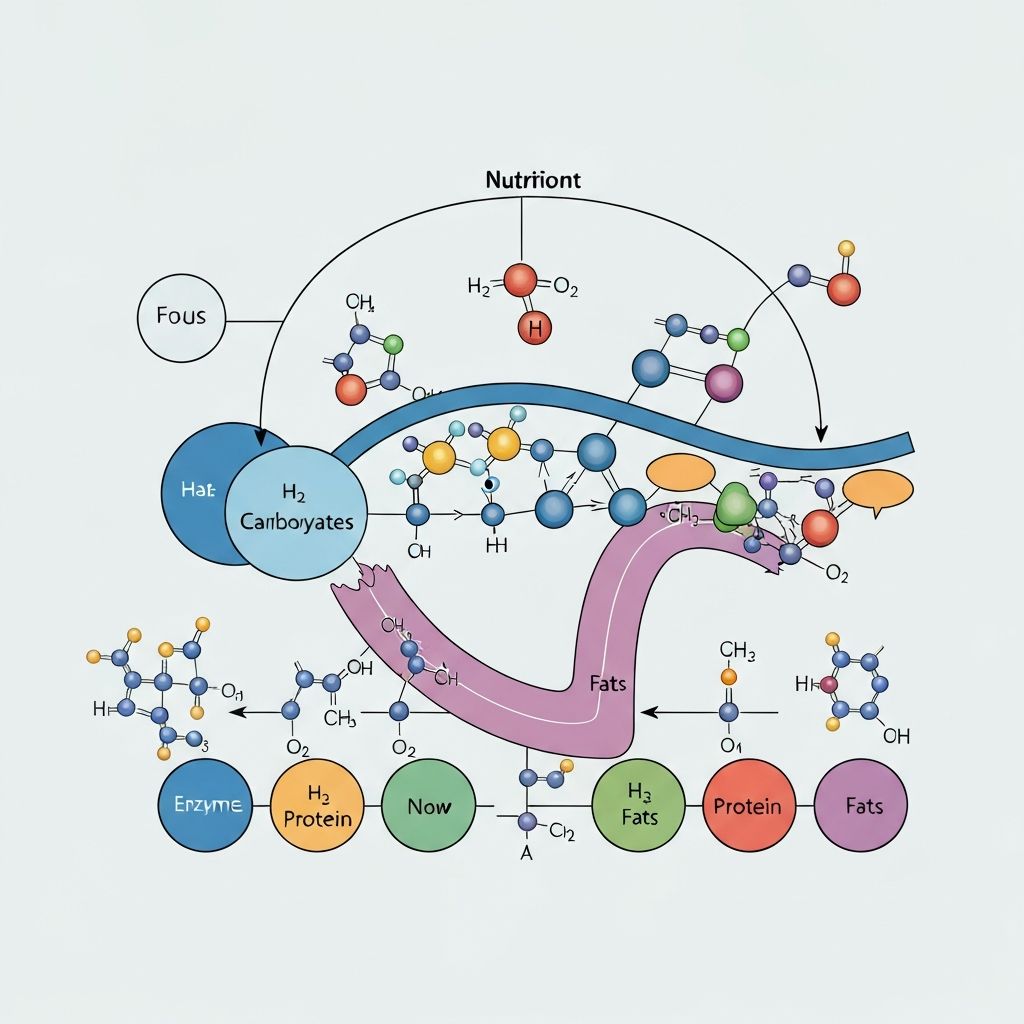
Introduction to Balanced Nutrition
A balanced meal incorporates diverse food groups, providing your body with a spectrum of macronutrients, micronutrients, and phytonutrients needed for optimal functioning. Rather than focusing on restriction or specific proportions, balanced meals emphasize variety and whole-food sources.
The Foundation: Food Groups
Traditional nutritional guidance organizes foods into groups, each contributing unique nutritional profiles:
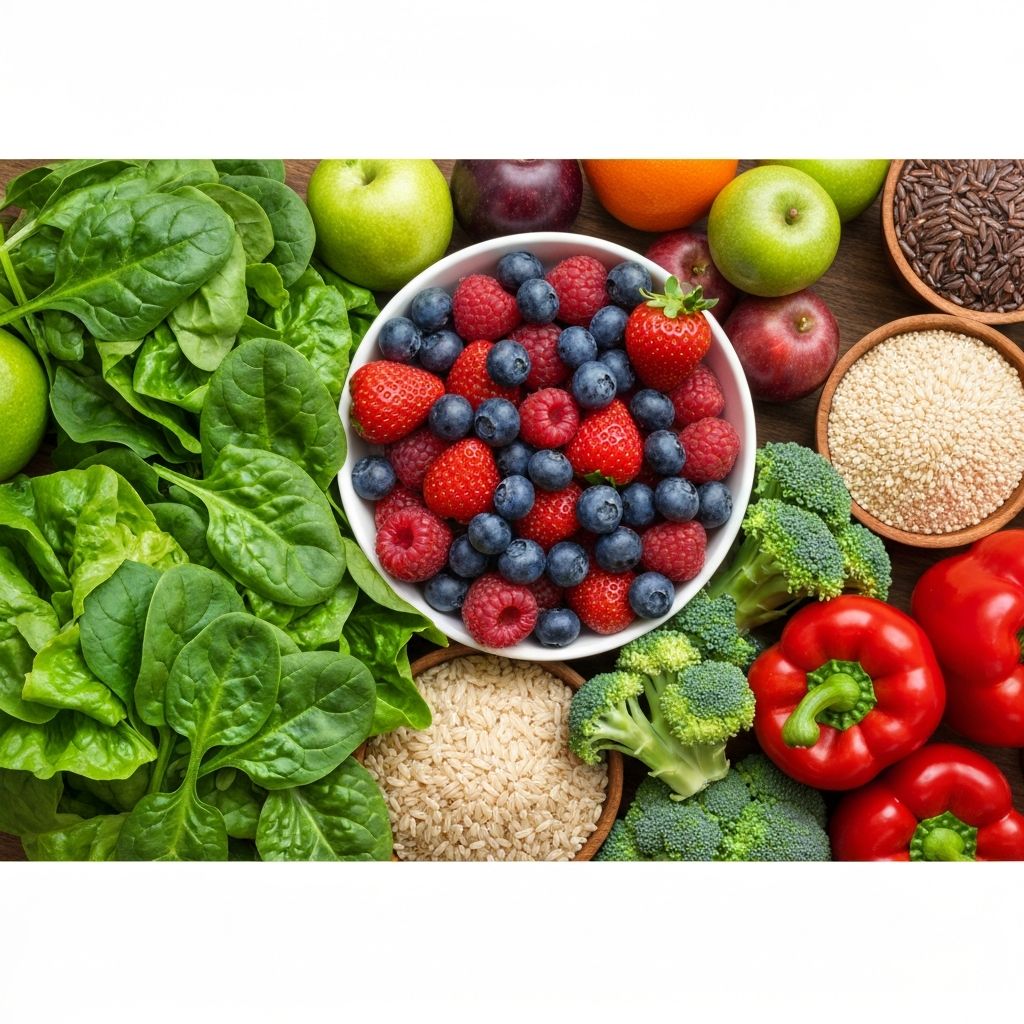
Fruits & Vegetables
Rich in vitamins, minerals, fiber, and phytonutrients. Different colors provide different nutrient profiles—aim for variety.
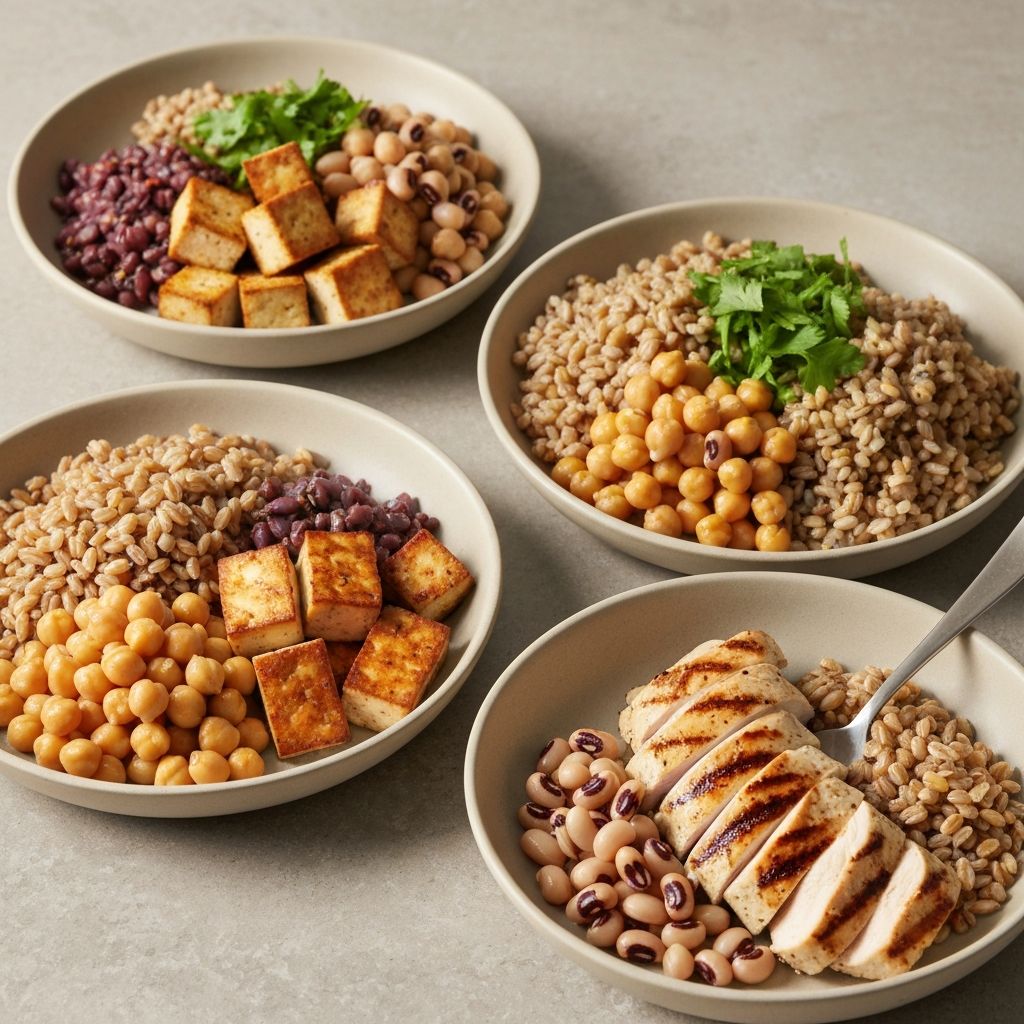
Proteins & Grains
Whole grains provide sustained energy and fiber. Diverse protein sources—both animal and plant-based—support tissue repair and function.

Healthy Fats
Oils, nuts, seeds, and fatty fish provide essential nutrients and support satiety and nutrient absorption.
Building a Balanced Plate
One practical approach to balanced meals involves structuring your plate with complementary foods:
Fill Half With Vegetables and Fruits
This ensures adequate fiber, vitamins, and minerals. Include variety in colors and types—leafy greens, cruciferous vegetables, colorful produce.
Include Quality Protein
Aim for protein sources from diverse origins. This might include lean meats, fish, eggs, legumes, nuts, or other plant-based proteins.
Add Whole Grains
Choose whole grains over refined options. Brown rice, oats, quinoa, and whole wheat provide fiber, nutrients, and sustained energy.
Include Healthy Fats
Incorporate unsaturated fats through olive oil, nuts, seeds, or avocados, supporting nutrient absorption and satiety.
The Concept of Nutrient Density
Nutrient-dense foods provide high nutritional value relative to their caloric content. Prioritizing whole foods over processed alternatives ensures you receive maximum nutritional benefit:
Nutrient-Dense Foods
Vegetables, fruits, whole grains, legumes, nuts, seeds, and lean proteins offer abundant vitamins, minerals, and phytonutrients with relatively modest caloric content.
Calorie-Dense, Nutrient-Poor Foods
Highly processed foods, sugary drinks, and refined products offer calories but minimal nutritional value, requiring larger quantities to achieve satiety.
Achieving Variety Through Whole Foods
Nutritional variety emerges naturally when prioritizing whole foods:
Practical Meal Planning
Building balanced meals doesn't require complex calculation or rigid rules. Simple principles guide effective practices:
- Start with whole foods as your foundation
- Include vegetables at every meal
- Vary your protein sources throughout the week
- Choose whole grains over refined options
- Include healthy fats for satiety and nutrient absorption
- Prepare meals at home when possible for greater control
Key Takeaways
Educational Disclaimer: This site provides information for educational purposes only. It does not offer individual recommendations or serve as a substitute for professional advice. Approaches to well-being vary, and personal decisions should always be made in consultation with qualified specialists.